Commercial Roofing
Contact Us

Flat and low-slope commercial buildings face water management challenges that don't affect residential steep-slope roofs-without gravity working efficiently to shed water, even minor ponding degrades roofing membranes and creates leak points at seams and penetrations. Cfy Construction Inc- installs metal roofing and TPO roofing systems in Daly City, where coastal moisture and temperature fluctuations demand materials that handle thermal movement without cracking. You'll see ponding water after rain if drainage design fails or if the roof deck has settled unevenly over time.
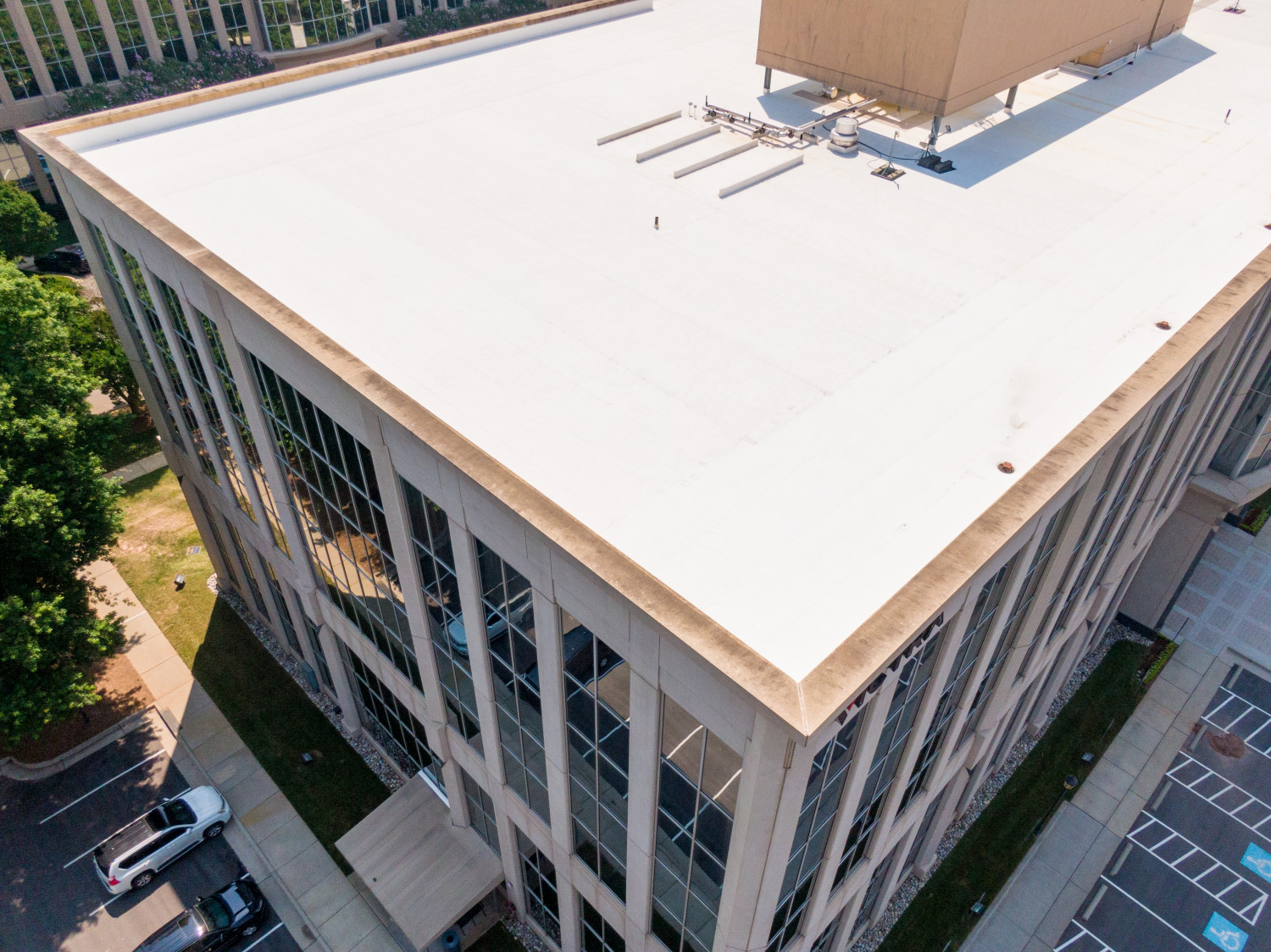
Commercial roofing installation involves creating positive drainage toward scuppers or drains, installing insulation layers that maintain R-value requirements, then applying either mechanically-attached TPO membranes with heat-welded seams or standing seam metal roofing with concealed fasteners. TPO roofing uses white or light-colored membranes that reflect solar heat, reducing cooling loads during warmer months.
Arrange an on-site assessment to evaluate current drainage patterns and structural capacity for new roofing systems.
Commercial roofing success depends on designing drainage that prevents standing water, which breaks down membrane adhesives and seam integrity within years instead of decades. The process includes tapered insulation to create slope where the structure itself is flat, positioning drains at low points, and ensuring scuppers are large enough to handle storm flow without backup. Metal roofing on commercial buildings uses panels with raised seams that channel water toward edges, while TPO roofing relies on heat-welded seams that create watertight bonds stronger than the membrane itself.
Once installation is complete, you'll observe water clearing from the roof surface within hours of rainfall rather than sitting in depressions for days, no staining on interior ceilings near HVAC penetrations or parapet walls, and consistent interior temperatures due to properly installed insulation layers beneath the roofing membrane. Metal roofing installations eliminate the flex and oil-canning visible in thin panels by using adequate fastener spacing and structural supports.
The work also addresses all roof-mounted equipment-HVAC units, exhaust fans, and conduit penetrations receive curbs and counterflashing that shed water away from openings. Parapet walls get cap metal or membrane termination bars that prevent water from wicking into the building envelope at edges.
Business owners considering commercial roofing projects often need clarity on system selection and how different materials perform under specific conditions.