Stucco Installation and Repair
Contact Us

Stucco provides a continuous, monolithic exterior that resists moisture penetration when installed correctly, but improper flashing details or application over compromised substrates lead to water intrusion that damages framing and insulation behind the visible surface. Homes near the coast face additional challenges from salt air and persistent dampness that accelerate deterioration when cracks or failed sealant allow moisture behind the stucco layers. Cfy Construction Inc- handles both new stucco installation and repair work in Daly City, addressing substrate issues and moisture management details that determine whether the system performs for decades or fails within years.
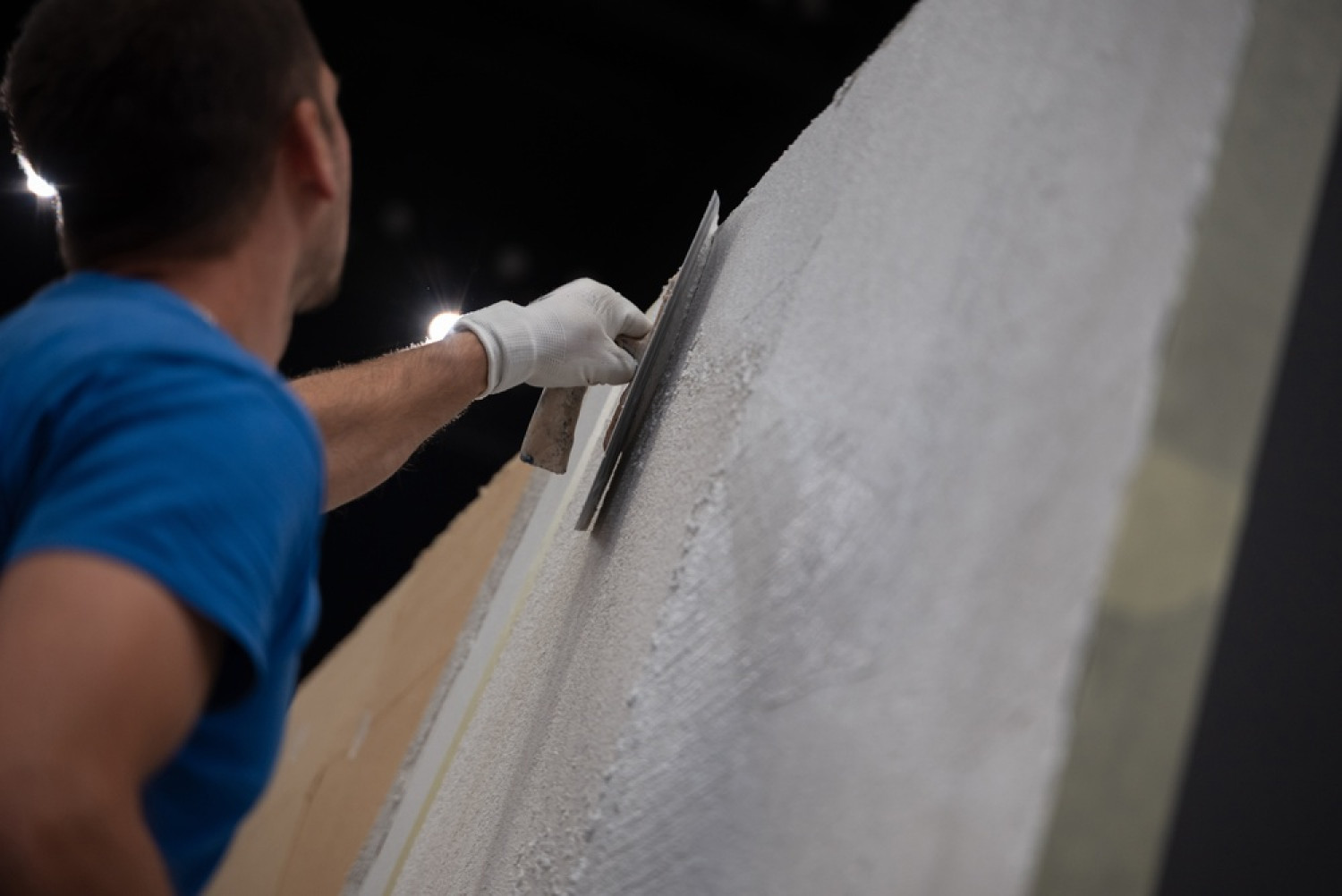
Installation involves applying multiple layers over properly prepared sheathing and moisture barriers, with each coat serving a specific function: scratch coat for mechanical bond, brown coat for leveling and strength, and finish coat for appearance and weather resistance. Repair work ranges from patching isolated cracks and damaged sections to removing failed stucco and addressing underlying moisture damage before reapplying the system with improved flashing and drainage details.
Schedule a property evaluation to identify specific stucco concerns and determine whether targeted repairs or larger interventions are needed.
Proper stucco application creates a hard, durable surface that sheds water and resists impact damage while providing continuous insulation coverage without the thermal bridging that occurs at seams in panel siding systems. The scratch coat bonds mechanically to the lath or substrate, the brown coat builds thickness and provides a level surface, and the finish coat delivers color and texture while serving as the primary weather barrier. Each layer must cure adequately before the next goes on, which means installation timelines depend on ambient temperature and humidity rather than arbitrary schedules.
Once work is complete, you will notice smooth or textured surfaces free from cracks, consistent color without blotchy areas that indicate uneven curing or moisture content, and tight integration at transitions where stucco meets trim, foundations, or other materials. Properly detailed corners, control joints, and penetrations prevent the stress cracks that develop when stucco is applied without accounting for substrate movement or thermal expansion.
Repair quality depends on matching existing texture and ensuring new material bonds to old without creating a visible patch or a weak point where future cracking will occur, which requires proper substrate preparation and compatible materials rather than simply filling voids with premixed patch compound.
Understanding how stucco performs in coastal conditions and what maintenance it requires helps property owners make informed decisions about installation and repair timing.